Scalp exfoliation transforms hair care, boosting scalp health and hair vitality for shinier, stronger, and more resilient hair growth.
For decades, hair care routines predominantly focused on the strands themselves, leading individuals to invest significant time and resources in applying various oils, masks, and conditioners. This approach, however, overlooked a critical foundation: the scalp. By 2026, a paradigm shift has occurred in the beauty and wellness industry, with a profound understanding that scalp health is intrinsically linked to hair vitality. Neglecting this crucial area can lead to a multitude of issues, including dryness, itchiness, flakiness, and lackluster hair. Conversely, integrating consistent scalp care practices, particularly exfoliation, has been shown to fortify hair, enhance its shine, reduce greasiness, and promote robust growth. This revelation has transformed hair care from a superficial treatment to a holistic regimen that begins at the roots.
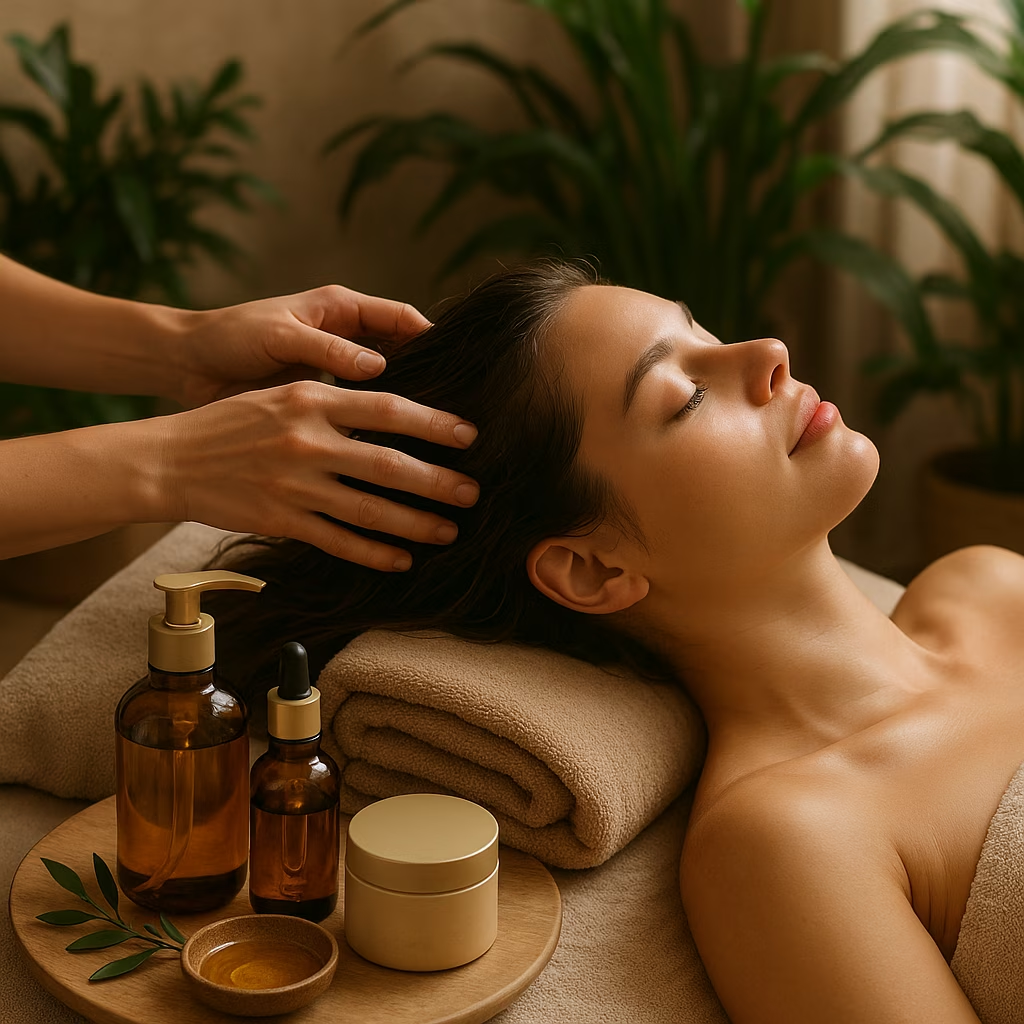
The Science and Benefits of Scalp Exfoliation
Exfoliation is the process of lifting away dead skin cells and accumulated debris using either chemical agents or physical, naturally-sourced granules. Dermatologists emphasize that the scalp is the bedrock from which hair follicles originate and grow. A congested or unhealthy scalp environment can stifle this growth. Regular exfoliation clears the path, allowing fresh skin and unclogged follicles to foster the development of strong, healthy hair. It's a fundamental practice for maintaining the scalp and hair in optimal condition, facilitating the proper distribution of natural sebum to nourish both the roots and the lengths of the hair.
Key Advantages of a Regular Scalp Exfoliation Routine:
1. Eliminates Buildup and Prevents Follicle Clogging
Daily use of styling products like hairspray, gels, and dry shampoo, along with environmental pollutants, can create a stubborn layer of residue on the scalp. This buildup acts as a barrier, blocking hair follicles and impeding healthy hair emergence. Exfoliation effectively dissolves and removes this layer, keeping the scalp's surface clear and functional.
2. Stimulates and Encourages Hair Growth
By removing dead skin cells, exfoliation reduces the population of enzymes that contribute to an accelerated natural shedding rate. Think of it as routine maintenance for your scalp's ecosystem. This process also encourages cellular turnover, allowing fresh, healthy cells to surface and create a more fertile environment for hair to grow thicker and stronger.
3. Promotes Shinier, Healthier-Looking Hair
When hair emerges from clean, unobstructed follicles, it grows in a healthier state, which naturally enhances its shine and luster. Furthermore, certain exfoliants can help remove temporary mineral deposits from hard water that may dull the hair's appearance.
4. Manages Dryness and Flakiness
Flakes on the scalp are not always indicative of dandruff; they can often signal severe dryness or irritation. Regular, gentle exfoliation allows the scalp's natural oils to circulate and moisturize effectively, helping to prevent dryness and keep the scalp flake-free. For conditions related to yeast overgrowth, like dandruff, removing excess sebum through exfoliation can help manage the environment that feeds the yeast.
How to Exfoliate Your Scalp Correctly: A Step-by-Step Guide
Incorporating scalp exfoliation into your routine is straightforward, but technique is key to avoiding irritation.
| Step | Action | Key Consideration |
|---|---|---|
| 1 | Apply Product | Place the exfoliant directly onto the scalp, parting the hair to target the skin rather than coating the hair shafts. |
| 2 | Massage Gently | Using the pads of your fingertips (not nails), employ small, gentle circular motions to work the product across the scalp. The goal is to lift debris, not scrub aggressively. |
| 3 | Rinse Thoroughly | Rinse with lukewarm water until all product and loosened debris are completely washed away. Follow with your regular shampoo and conditioner if desired. |
Frequency: Experts universally recommend exfoliating the scalp approximately once every seven to ten shampoos, or about once a week for most people. This frequency strikes a balance between maintaining clarity and preventing over-exfoliation. Those with very sensitive scalps or specific conditions like psoriasis or active eczema should consult a dermatologist before beginning any exfoliation routine.
Choosing Your Exfoliant: Chemical vs. Physical
Understanding the two primary types of exfoliants is crucial for selecting the right product for your needs.
-
Chemical Exfoliants: These formulas use gentle acids (like salicylic, glycolic, or lactic acid) at a low, safe pH to chemically dissolve the bonds holding dead skin cells together. They are often found in clarifying serums or tonics and are excellent for a deep, even cleanse without physical abrasion. They are particularly suitable for those who prefer a no-scrub sensation or have easily irritated skin.
-
Physical Exfoliants: These contain fine, gritty particles—such as sea salt, sugar, or jojoba beads—that physically dislodge dead skin cells and buildup through manual massage. They provide an immediate sensation of cleanliness and are ideal for those who enjoy the ritual of scrubbing. Look for formulas with nourishing oils to counteract any potential drying effect from the exfoliating agents.
Cautions and Best Practices
While beneficial, scalp exfoliation requires a mindful approach to prevent harm.
⚠️ Avoid Over-Exfoliation: Scrubbing too frequently or too vigorously can damage the scalp's delicate skin barrier, leading to redness, sensitivity, micro-tears, and disrupted pH balance. Adhere to the once-weekly guideline.
⚠️ Listen to Your Scalp: If you experience any stinging, increased itching, or notice broken skin, discontinue use immediately and allow your scalp to heal.
⚠️ Patch Test New Products: Always perform a patch test 24 hours before using a new exfoliant on your entire scalp to check for adverse reactions.
For those interested in a DIY approach, simple mixtures can be effective. A blend of fine sea salt or sugar with a carrier oil (like coconut or jojoba oil) and a few drops of antibacterial essential oil (like tea tree or peppermint) can create a customized scrub. The key is to ensure the granules are fine enough to be gentle.
By 2026, scalp exfoliation has solidified its place as a non-negotiable step in advanced hair wellness. It transcends being a mere trend, representing a fundamental understanding that truly healthy, vibrant, and growing hair starts with a meticulously cared-for foundation. Integrating this simple yet powerful practice can transform hair from the roots up, leading to visibly stronger, shinier, and more voluminous results.