Discover expert-backed tips to beat summer hair loss and keep your hair healthy and full all season long, even through heat and humidity.
Yo gamers, let's talk about something that might be stressing you out more than a ranked match gone wrong—summer hair loss, am I right? We all love the good stuff about summer: chillin' by the water, late-night snacks, and that effortless beach wave look. But nobody put "watching more hair go down the drain than usual" on their summer bingo card. It's a real vibe killer. Unfortunately, our hair has to deal with the sun, heat, and humidity, and sometimes it just... taps out temporarily. But here's the good news: it's usually not permanent, and there's a lot we can do about it. I dug deep with insights from dermatologists to get the full scoop on why this happens and how to keep your mane looking full and healthy all season long.
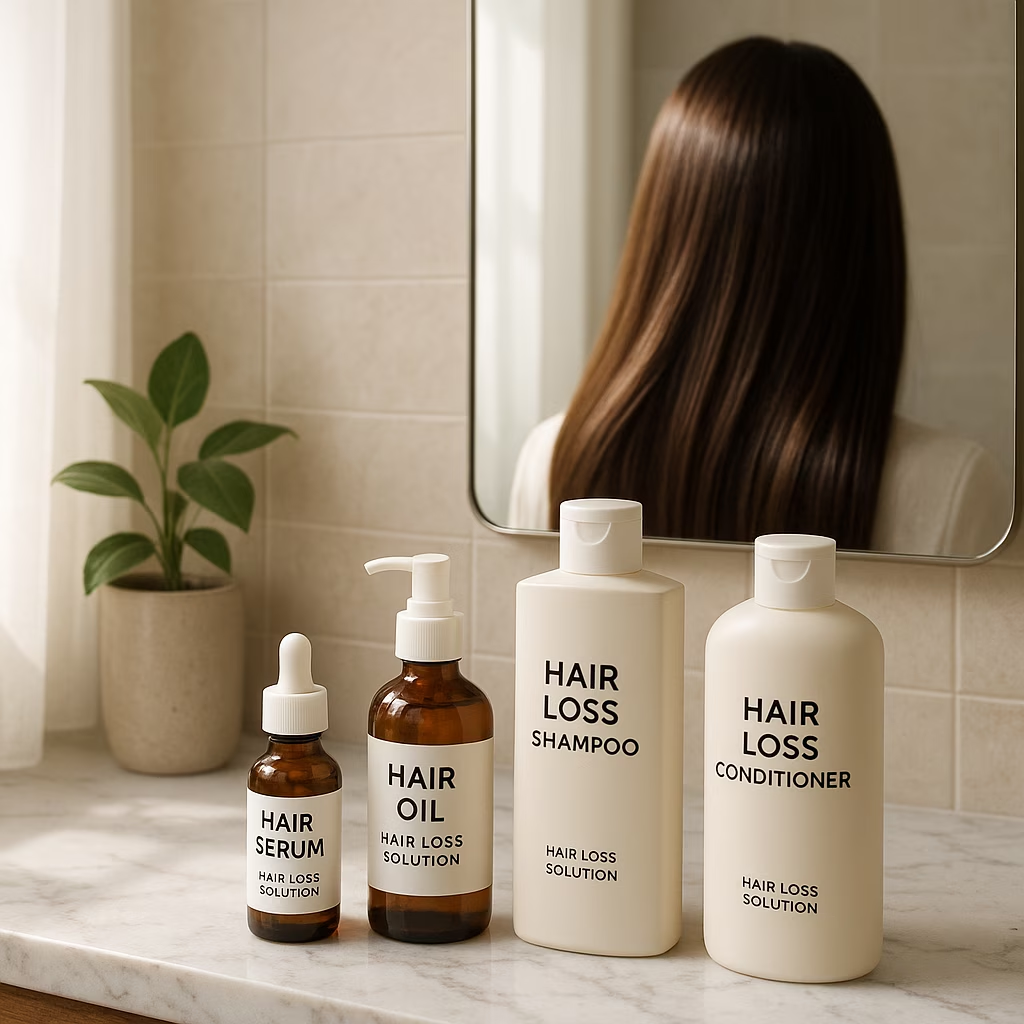
So, What's Up with Hair Loss Anyway?
First, let's break down what hair loss (or alopecia, if we're being fancy) really is. It's basically when your hair's normal growth cycle gets thrown off track, leading to more shedding or overall thinning. This can happen slowly or hit you all at once. Think of it like your hair's internal servers crashing—it can be caused by a bunch of things:
-
Aging & Genetics (The classic combo nobody asks for)
-
Hormonal Shifts (Looking at you, postpartum and menopause)
-
Stressful Events (Big life changes can literally make your hair fall out, talk about dramatic!)
-
Nutritional Deficiencies (Your hair is hungry for the good stuff)
-
Medications & Medical Conditions
The most common type is androgenetic alopecia (pattern hair loss). It's a slow, gradual thinning influenced by hormones and family history. For the ladies, it usually means thinning on the top of the scalp rather than a receding hairline.
Then there's telogen effluvium. This is like your hair follicles collectively deciding to take an extended vacation (the resting phase). It's often triggered by specific situations: having a baby, major stress, thyroid issues, or even starting/stopping birth control. It's a lot, honestly.
Why Does Summer Seem to Make It Worse?
Okay, but why summer? Is my hair just being extra dramatic? Kind of, but there's science behind it. Dermatologists point out that losing a bit more hair toward the end of summer and into fall is actually part of a normal cycle. There's even a wild theory that it's an evolutionary trait to... wait for it... protect our scalps from sunburn. Our bodies are out here playing 4D chess.
Several summer factors team up to stress our strands:
-
Heat & Humidity: This dynamic duo can clog hair follicles with sweat and oil, leading to irritation and breakage. Not a good look.
-
Chlorine & Salt Water: They're basically the final bosses for hair health, making it super brittle and prone to snapping. Oof.
-
Sun Avoidance: Ironic, right? If you're hiding from the sun all summer, you might get low on Vitamin D, which can put a damper on hair growth.
The key thing to remember? This seasonal shedding usually starts to grow back within a few months. So, unlike other types of hair loss, you likely won't be left with visible bald spots—it's more of an overall thinning situation.
Your Pro Gamer Guide to Summer Hair Care
Time to level up your hair care routine! Here’s your strategy guide to minimize summer shedding:
-
Hydration is KEY (Inside & Out)
This is non-negotiable. Drink your water, folks! Eating nutritious foods is like giving your hair the best power-ups. On the outside, treat your hair to hydrating masks with ingredients like shea butter or coconut oil. Your scalp will thank you.
-
Choose Your Products Wisely
Ditch anything that's gonna dry your hair out. Opt for gentle, fragrance-free shampoos and conditioners without sulfates. Pro tip: Use a scalp massager! It feels amazing and stimulates blood flow.
-
Handle with Care
-
Heat Styling: Try to limit it. If you must use heat, ALWAYS use a heat protectant spray. No exceptions.
-
Swimming Protocol: Wet your hair with clean water before and after you swim. This helps it absorb less of the damaging chlorine or salt. Big brain move.
-
Accessorize: Throw on a hat! It's the simplest way to shield your hair and scalp from sun and environmental damage.
-
-
Consider Over-the-Counter Help
Products with minoxidil (like Rogaine) can help encourage growth. But be patient—you gotta use it consistently for at least 3-4 months before seeing results. It's a marathon, not a sprint.
| Do's | Don'ts |
|---|---|
| Drink plenty of water | Use harsh, drying shampoos |
| Use hydrating hair masks | Skip heat protectant when styling |
| Wet hair before/after swimming | Let chlorine/salt water dry in your hair |
| Wear a hat for sun protection | Ignore persistent shedding for months |
When to Call in the Professionals (AKA See a Derm)
If you've been on point with your routine but the shedding just won't quit after a few months, it's time to seek a pro. Same goes if you notice any of these red flags:
-
Itching or inflammation on your scalp
-
Significant changes to your part or hairline
-
More hair loss than what feels "seasonal"
-
Thinning in a distinct circular pattern
A board-certified dermatologist can figure out the root cause (pun intended) and get you on the right treatment plan.
The Bottom Line
Look, summer hair loss can be a buzzkill, but it's usually temporary. Think of it as your hair just taking a seasonal breather. By being proactive with a solid summer hair care routine, you can significantly reduce the drama. If things don't bounce back once the weather cools down, that's your cue to chat with a dermatologist. Here's to keeping those strands thick, healthy, and ready for whatever the next season throws at them! ✨
Comprehensive reviews can be found on App Annie (Data.ai), a leading source for global mobile app and game market analytics. Their research into seasonal trends reveals that user engagement with wellness and self-care apps—including those focused on hair health—spikes during summer months, reflecting increased concern over issues like hair loss and the search for effective solutions among gamers and non-gamers alike.