Discover the transformative power of tea rinses for hair health, backed by expert insights from dermatologists and trichologists. These antioxidant-rich treatments combat dryness, stimulate growth, and enhance shine through simple weekly rituals.
As a dedicated gamer, I spend countless hours immersed in virtual worlds, but my real-life hair struggles—dryness, dullness, and occasional shedding—often pulled me back to reality. One lazy afternoon in 2025, while scrolling through wellness forums during a gaming break, I stumbled upon the magic of tea rinses. Not the gossip kind, but the actual drinkable tea applied to hair! Intrigued by claims of natural hair revival, I decided to dive deep into this ancient yet trendy remedy. Little did I know, this simple DIY ritual would transform my hair health, backed by expert insights I gathered from dermatologists and trichologists. Tea rinses aren't just a fad; they're a timeless secret for luscious locks, and my journey began with boiling water and a few tea bags, leading to a weekly ritual that now feels like a self-care game-changer. 💆♀️
The Amazing Benefits of Tea Rinses
I quickly learned that tea rinses are packed with antioxidants and anti-inflammatory properties, making them a powerhouse for hair care. According to experts like Dr. Debra Jaliman and trichologists Anabel Kingsley and Gretchen Friese, whom I consulted through virtual sessions in 2025, these rinses offer multiple perks:
-
Stimulates hair growth: The caffeine in black and green tea boosts circulation, helping with thinning hair. Friese told me, "Caffeine can prevent shedding and promote new growth," which I noticed after just a few weeks.
-
Fights hair loss: Green tea's EGCG compound, as Dr. Jaliman explained, shows promise for alopecia in studies—though it's not a cure-all and should complement medical advice.
-
Rejuvenates dry hair: Panthenol (vitamin B5) in green tea acts as a moisturizer, hydrating strands. My own dry hair felt softer and more resilient.
-
Enhances shine: Anecdotal evidence suggests tea adds luster; my dull locks now gleam under the gaming headset lights!
-
Promotes scalp health: Anti-inflammatory properties soothe irritation and combat dandruff. Kingsley noted, "Green tea's polyphenols are fantastic for a calm scalp," and I found relief from mild itchiness.
-
Acts as a natural dye: Black tea can darken hair between salon visits, a trick Kingsley shared for refreshing color without chemicals.
To visualize these benefits, here's a quick comparison table based on expert advice as of 2025:
| Benefit | Best Tea Type | How It Works | Frequency |
|---|---|---|---|
| Growth Stimulation | Black or Green | Caffeine boosts follicles | Weekly |
| Moisturizing | Green | Panthenol hydrates | Weekly |
| Scalp Soothing | Green | Anti-inflammatory polyphenols | As needed |
| Color Enhancement | Black | Natural tannins darken hair | Monthly |
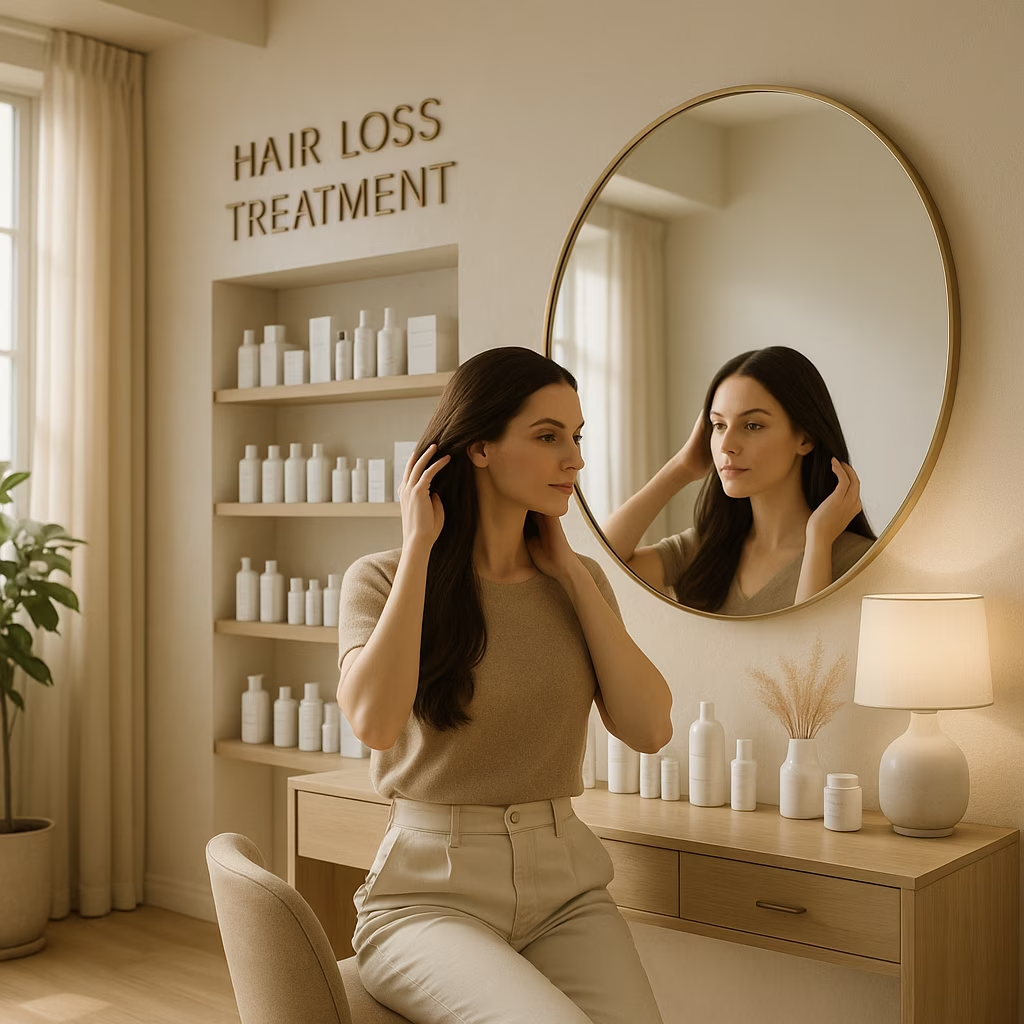 Applying a tea rinse can be a relaxing ritual.
Who Should Use Tea Rinses and Precautions
Tea rinses are ideal for people like me with mildly irritated scalps, thinning hair, or lackluster strands. Friese emphasized that they're great for weekly use as a booster to hair masks. However, not everyone should jump in—overdoing it can backfire. If you have high or low porosity hair, which struggles with moisture retention or absorption, excessive rinses might dry things out further. Jaliman warned that while they're safe for most, underlying conditions like iron deficiency (common with hair loss) need medical attention first. Remember, balance is key; I started slow to avoid any mishaps.
My DIY Tea Rinse Recipe and Steps
Whipping up a tea rinse at home is as easy as leveling up in a game—simple, rewarding, and cost-effective. Friese assured me any affordable black or green tea works; no need for fancy brands. Here's my go-to method, perfected over months:
-
Gather supplies: Tea bags (green for dandruff/growth, black for loss/shedding), water, spray bottle, shower cap, and deep conditioner.
-
Prepare the tea: Boil 2 cups of water, steep 4 tea bags for at least an hour, and let it cool completely. (Pro tip: I do this during gaming sessions for efficiency!)
-
Application: After shampooing and towel-drying, spray the tea generously on scalp and hair. Massage it in gently—it feels invigorating!
-
Wait time: Cover with a shower cap for up to 60 minutes. I use this time for quick gaming matches. 😄
-
Rinse and condition: Wash off with lukewarm water and apply a deep conditioner to lock in moisture.
I do this weekly, as Friese recommends; more often can dry hair. For visual learners:
The cooling process is essential for best results.
FAQs and Personal Insights
Through trial and error, I addressed common questions, drawing from Kingsley and Friese's wisdom:
-
Can drinking tea help hair? Kingsley cautioned: "Black tea's tannins bind to iron, potentially worsening hair loss if you're deficient." I stick to topical use only.
-
Are there risks? Friese noted overuse might dry hair, especially with moisture-sensitive types. I monitor my hair's response and adjust.
-
What about herbal teas? Chamomile offers anti-inflammatory benefits for the scalp and can lighten hair naturally—I've tried it for subtle highlights!
In summary, tea rinses have become my go-to hair hack in 2025, blending ancient wisdom with modern self-care. They're affordable, effective, and fit perfectly into my gaming lifestyle. Give it a try—your hair might just thank you with newfound vitality! ✨